On this page
- A chime when a cycle ends, and during Wrinkle Release, is normal. 1
- An empty cycle separates a noisy item from a noisy dryer. 1
- Loose pedestals cause clanking or squeaking; shipping bolts and level cause walking. 1
- E52 is a motor that is stopped or not starting; its protector may take up to 30 minutes to reset. 3
- The Owner Center's written list does not cover squeals or grinding. 1
Which Electrolux dryer sounds are normal?#
The Owner Center names one: a chime at the end of each cycle, and periodically during Wrinkle Release if you chose that option. It calls this perfectly normal. Most other sounds on its list have a simple cause. 1
That one entry matters more than it looks. A dryer that beeps while you are folding laundry is doing what it should. If you would rather not hear it, the dryer error code guide says a mute icon on some units shows that the chimes are off, and that the unit "may be in mute mode" and needs to be unmuted. 2
The rest of the Owner Center's list is about sounds from something loose, something unlevel or something worn. The table sets them side by side.
| Sound | Usual cause on the list | What to do |
|---|---|---|
| Chime | End of cycle; Wrinkle Release | Nothing; this is normal 1 |
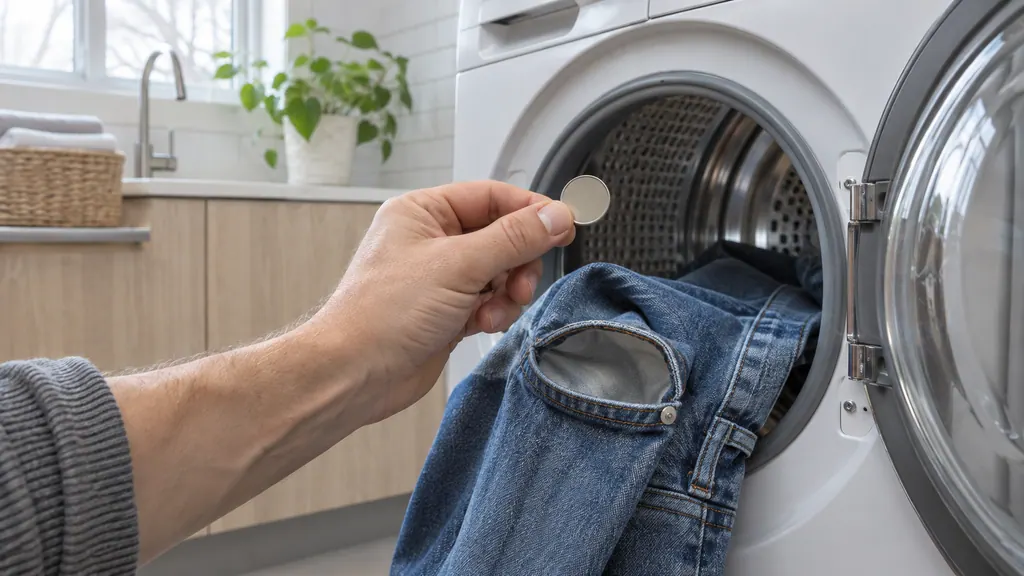
| Rattling or clanking | Loose or foreign objects such as coins; belt buckles or fasteners on clothing | Check pockets; run an empty cycle; fasten items or turn clothes inside out 1 |
| Clanking or squeaking | A dryer on a pedestal that has become loose | Check the pedestal 1 |
| Vibrating or walking | Shipping bolts still in a new unit; dryer not level | Remove the bolts; level the dryer by the Use & Care guide 1 |
What if my dryer rattles or clanks?#
Stop the dryer and check the pockets and the clothes first. Rattling and clanking can come from loose or foreign objects such as coins. Then run an empty cycle to see whether the sound continues. 1
- 1
- 2
- 3
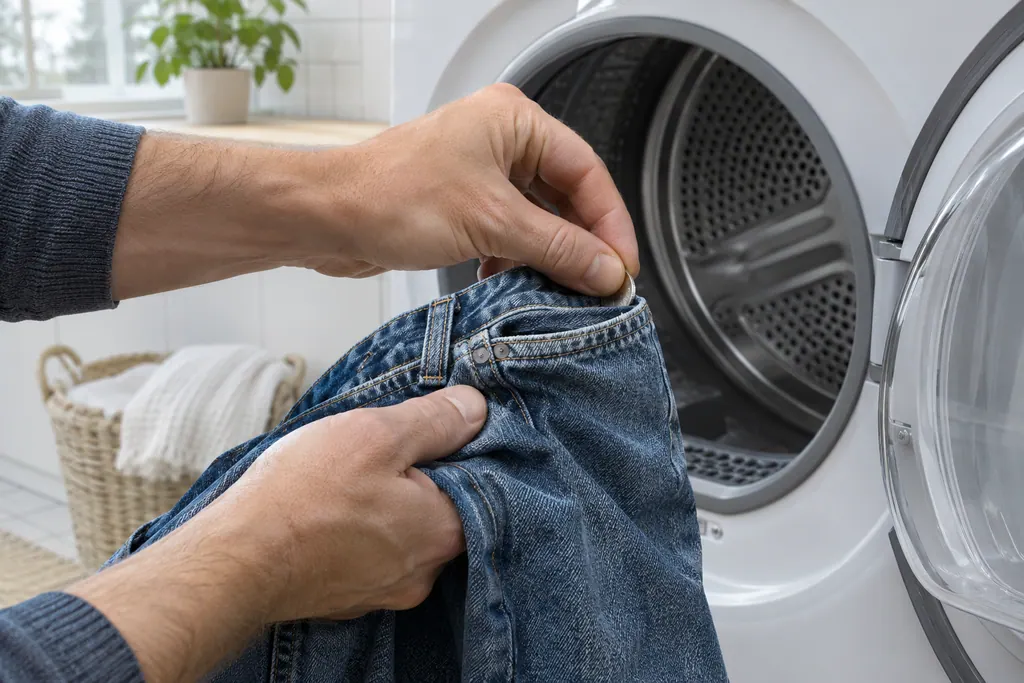
The empty-load run is the useful trick. It splits the question in two: if the empty dryer is quiet, the noise belonged to the clothes, and if it still makes the sound, the noise is the dryer's. 1
Why does my dryer vibrate or walk?#
On a new dryer, check that all the shipping bolts have been removed. Then make sure the dryer is level, using your Use & Care guide for the steps. These are the two checks the Owner Center lists. 1
For a dryer put in less than a month ago, the Owner Center sends you back to the installer first. 1
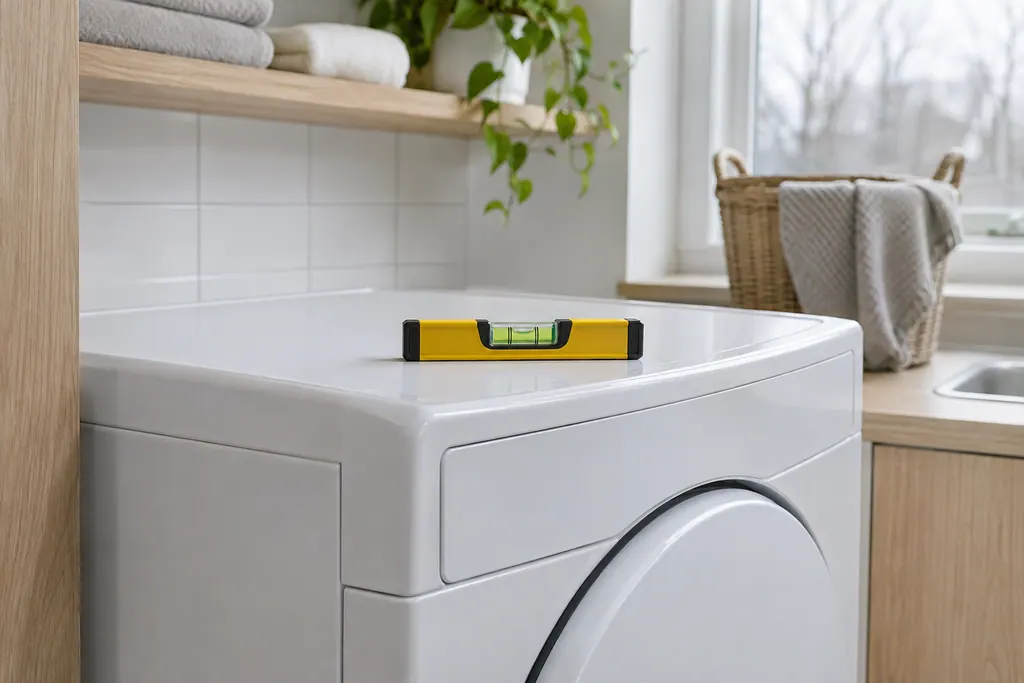
Keep in mind that leveling steps depend on the model, and we do not quote a procedure that the written article does not give.
What about a pedestal?#
If the dryer stands on a pedestal, clanking or squeaking is usually the pedestal having become loose. 1 Check how the dryer sits on it and whether the pedestal moves when you nudge the dryer. Tighten what the installation guide says to tighten, and have it looked at if the dryer sits firmly but the sound stays.
When is a noise a motor problem?#
When the drum does not turn, or the dryer hums and stops. The sheet's motor rows are E51, E52, E53 and E54, and E52 is the one that matches "motor stopped or not starting". 3
E52's possible conditions are an overheating motor, a laundry load that is too heavy, low power supply, and a defective motor or wiring. The first remedy is to remove any load and check whether the drum turns freely by hand. 3 If it does not turn freely, leave it there and arrange a visit.
A tripped motor thermal protector is a special case: the sheet says it may take up to 30 minutes to reset. 3 Waiting that long is sometimes all that is needed after a heavy load, but a repeat of E52 is a technician row.
E53 is a motor centripetal switch failure, where the technician checks wiring and whether the centripetal switches are stuck open or closed, then replaces the motor or board. 3 E51 is a motor relay failure, with the motor running continuously with power applied or not starting when the start key is pressed. 3 Our E52 page and E53 page have the full rows.
Can the load itself cause trouble?#
Yes, in two ways. A load that is too heavy is one of the sheet's listed conditions for E52. 3 And the Owner Center says not to dry a load that is too big or too small: items need room to tumble freely, and there must be enough of them in the drum for proper tumbling. 5
So a drum packed with towels is a poor test of whether the dryer is noisy, and so is a single pair of jeans. Try a normal mixed load of similar fabric and weight, which is the Owner Center's own advice on sorting. 5
What if the dryer stops partway through a cycle?#
The Owner Center gives two reasons. The motor may have overheated from an overloaded drum, in which case it should cool for 30 minutes. Or, on an electric dryer, a thermal limiter switch may have turned the motor off in an overheated situation. 6
For the first, the article says an average washer load fills the dryer drum about one third to one half full, and suggests a smaller load. 6 For the second, the limiter switch has to be replaced by a service provider. 6 That matches the sheet's thermal protector note under E52: give it time, and have it checked if it repeats.
What does a technician do with a motor row?#
The sheet's diagnostic mode includes a motor test: with the selector in position 1 or 3, the motor runs clockwise and the technician watches for drum rotation in that direction. 3 The technician also checks the supply voltage on L1 and the motor wiring, as E52 asks. 3
If the drum turns freely by hand but the motor still stops, the sheet moves on to the motor and its wiring. A motor row points at a part or its wiring, so the visit is the next step.
How should I describe the noise?#
Give the technician four things: when it happens, where it seems to come from, what the drum is doing and what the display says. A clear note on those four saves a trip. 13
- 1
- 2
- 3
- 4
Keep a note of the model number too. It tells us which dryer family you have, and the codes belong to specific models.
What if the noise is not on the list?#
Then describe it. The Owner Center's written list covers rattling, clanking, squeaking, vibrating and the chime. It says nothing in writing about a squeal, a grinding or a thump, and its separate noises article is a video. 14
We will not guess at a cause the sources do not give. What helps is a clear description: when the sound starts, whether it comes with an empty drum, whether it changes with the load, and whether there is a code on the display. The dryer noisy page lists what we ask on a call.
With a code, the dryer code recall guide shows how to read the last one.
See the dryer repair page for what a visit covers.
Sources#
- Laundry Dryer Noises (KB 1841859)Electrolux / Owner Center knowledge base (owner.electrolux.com) · Knowledge-base page text saved 10.11.2026; no edition is printed on the page · article text
- Laundry Dryer Error Code Guide (KB 1820071)Electrolux / Owner Center knowledge base (owner.electrolux.com) · Knowledge-base page text saved 10.11.2026; no edition is printed on the page · article text
- Dryer Tech Data Sheet, P/N 137265000B (1202)Electrolux (technician sheet; retailer-hosted copy) · P/N 137265000B (1202); Canadian SKU EIMED6CJIW; original file dated 2009 · p. 1 (Error Code Chart, E51 to E54)
- How to Fix Your Dryer: Noises & Sounds (KB 1853600)Electrolux / Owner Center knowledge base (owner.electrolux.com) · Knowledge-base page text saved 10.11.2026; no edition is printed on the page · article is a video; no written steps on the page
- Dryer - Not Drying and Extended Drying Time (KB 1853008)Electrolux / Owner Center knowledge base (owner.electrolux.com) · Knowledge-base page text saved 10.11.2026; no edition is printed on the page · article text
- What should I do if my dryer stops operating? (KB 1853011)Electrolux / Owner Center knowledge base (owner.electrolux.com) · Knowledge-base page text saved 10.11.2026; no edition is printed on the page · article text