The illustrated glossary
Inside your appliance. Parts, in plain English.
Understand what a part does before calling, so you and the technician begin with the same picture.
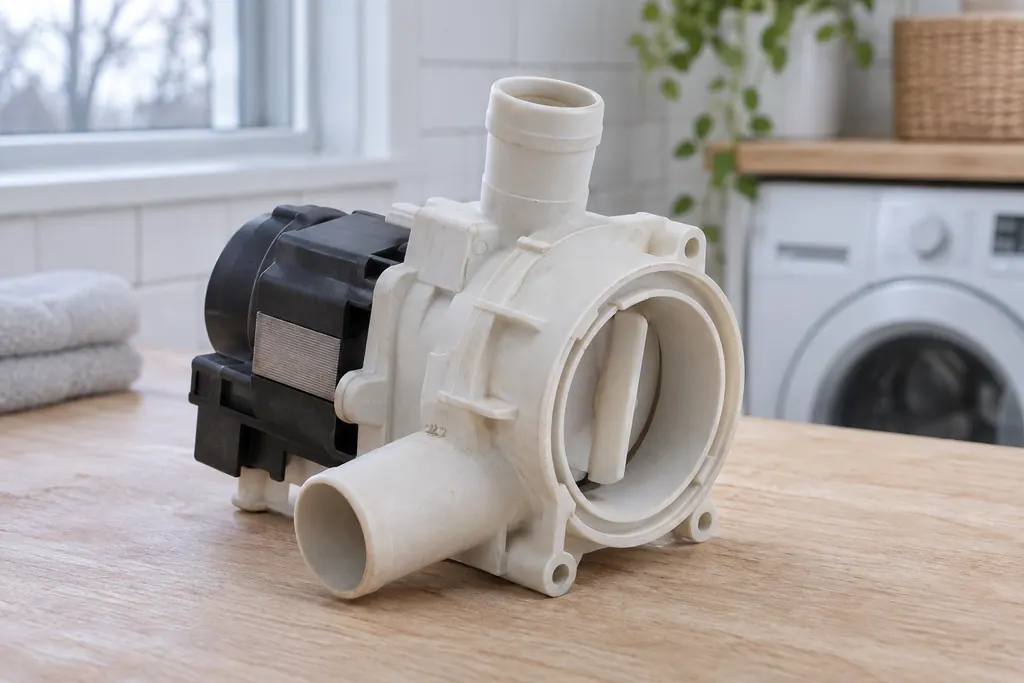
Find a term, A–Z.
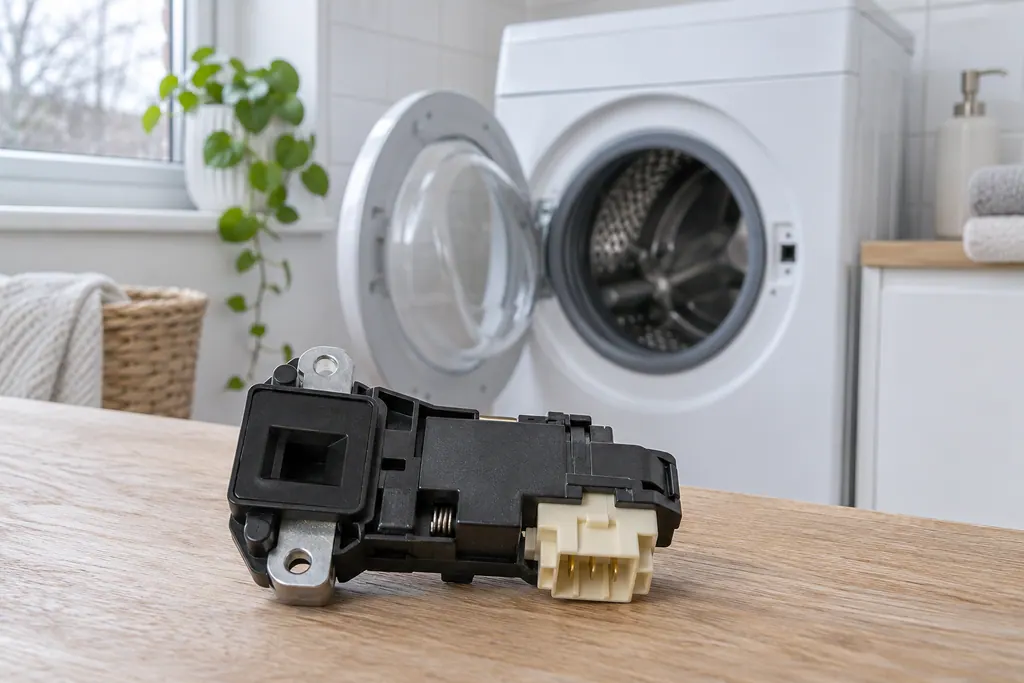 Seal, lock and pump.
In plain words.
Laundry words, simply put
Inside the drum.
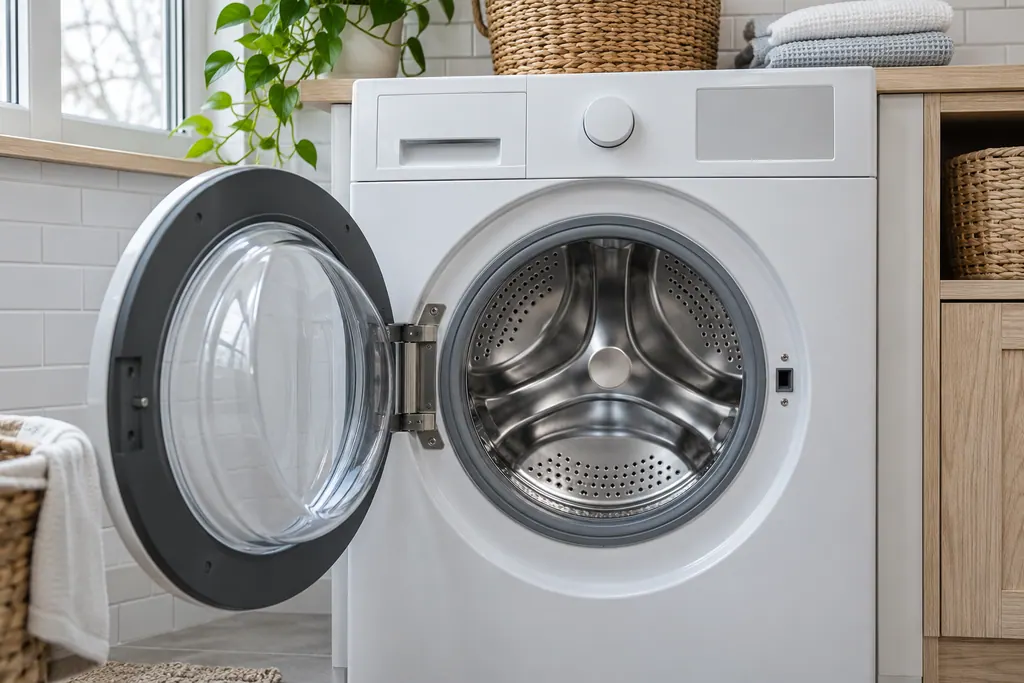
- Washer door lock
- The door lock keeps the washer closed during a cycle and tells the control the door is shut. Electrolux’s sheet lists five door codes. E41 means the board thinks the door switch is open; E42 and E43 are about the lock itself; E44 and E45 about sensing.
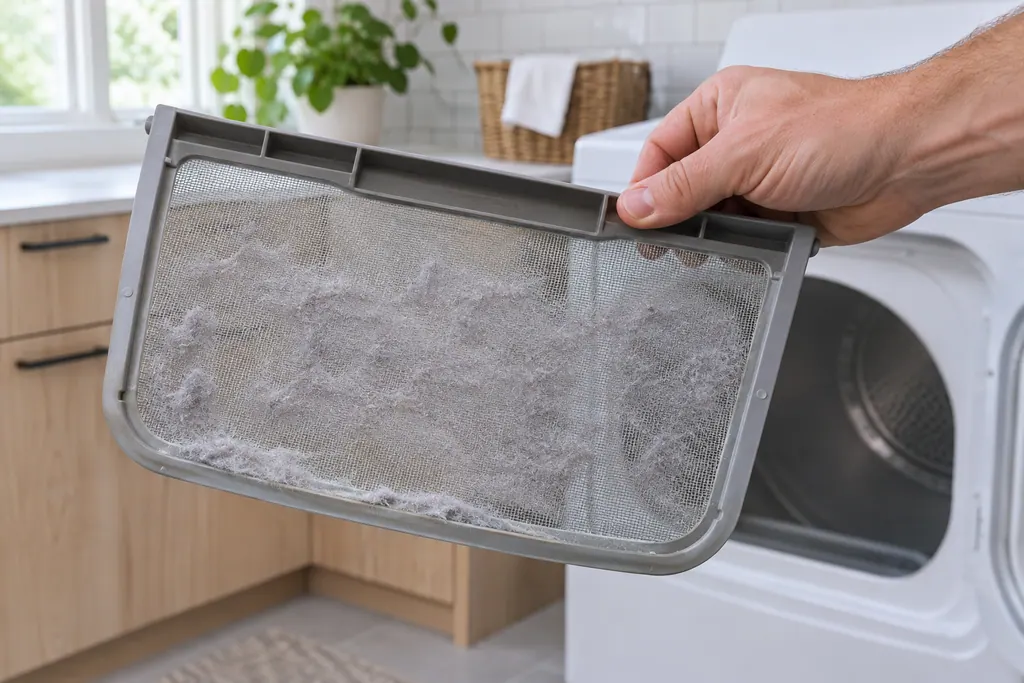
- Dryer thermal limiter
- The thermal limiter is a temperature safety part in the dryer’s heated air path. When it opens, the circuit stops. Electrolux’s dryer sheet names the outlet limiter (plus an inlet limiter on gas models) behind E66, and an inlet limiter on electric models behind E65.
- Oven RTD temperature sensor
- The RTD is the oven’s temperature probe: a resistance temperature detector that tells the control how hot the cavity is. F30 means the probe circuit reads open and F31 that it reads shorted. On ES630 controls, F10 can also first appear when the probe misreads.
Water and drain.
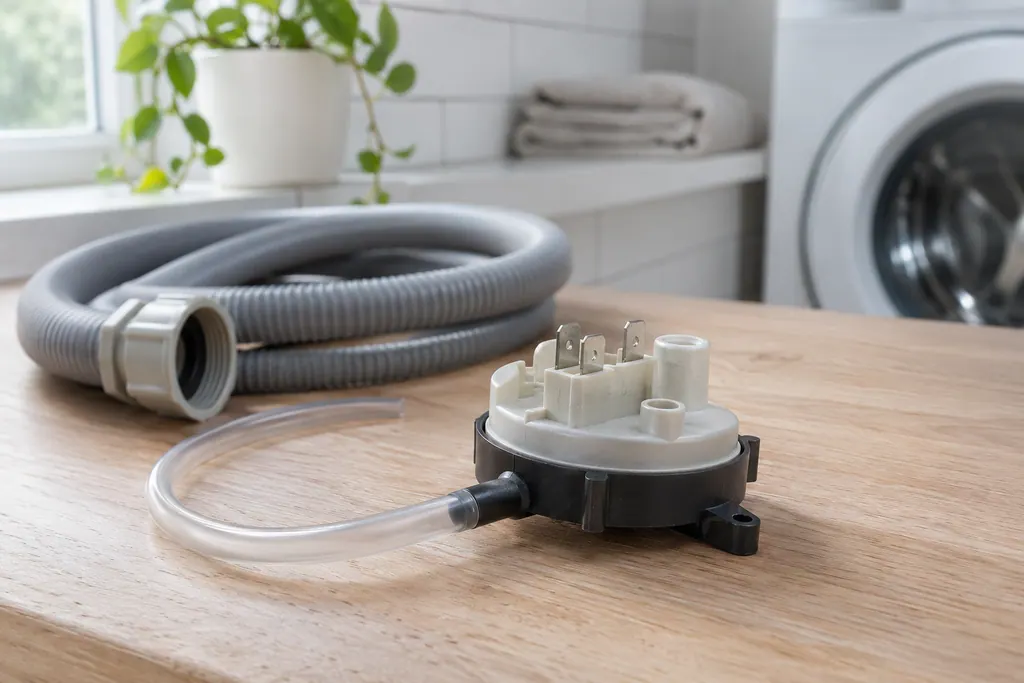
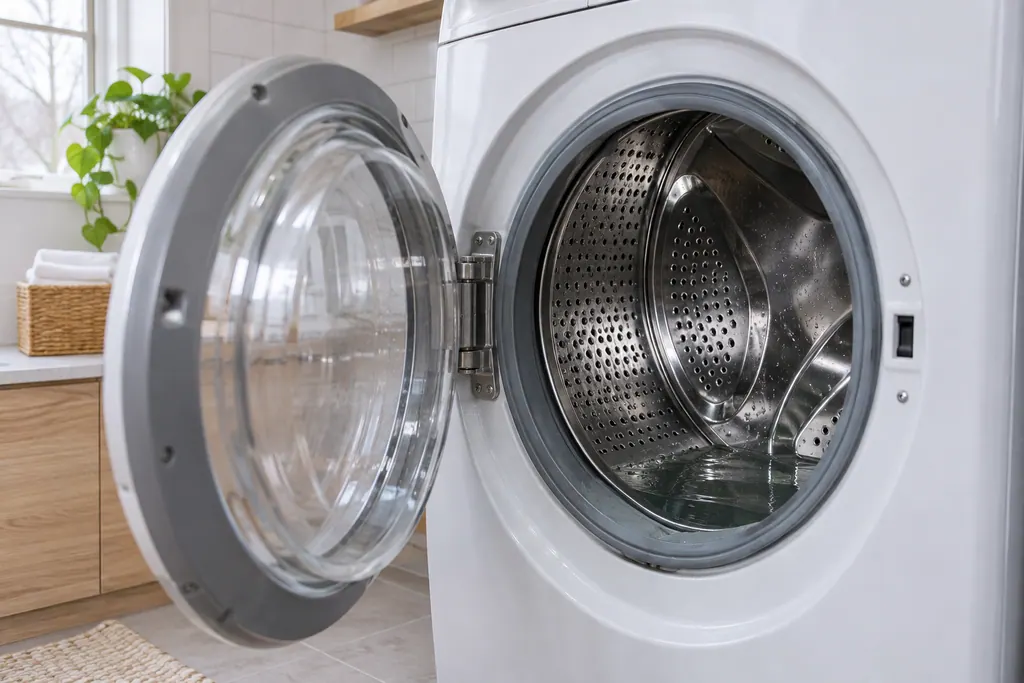
Washer pressure sensor
The pressure sensor tells the washer how high the water stands in the tub. Electrolux’s washer sheet ties it to E13, E31, E32 and E35. E35 means the sensor reports an overfill; E31 and E32 point at the sensor’s own reading or calibration.
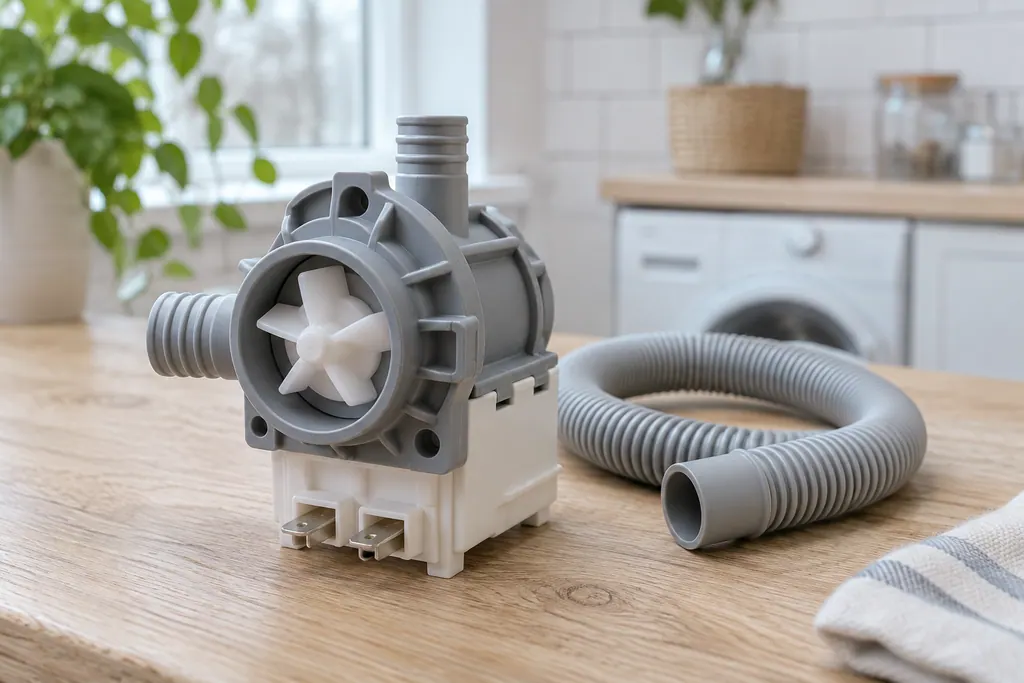
Washer drain pump
The drain pump clears water from the tub. Electrolux’s washer sheet ties E21, E23 and E24 to it: water that pumps out too slowly, and errors in the board’s switching or sensing of the pump. The sheet points them all to one test.
Heat and its limits.
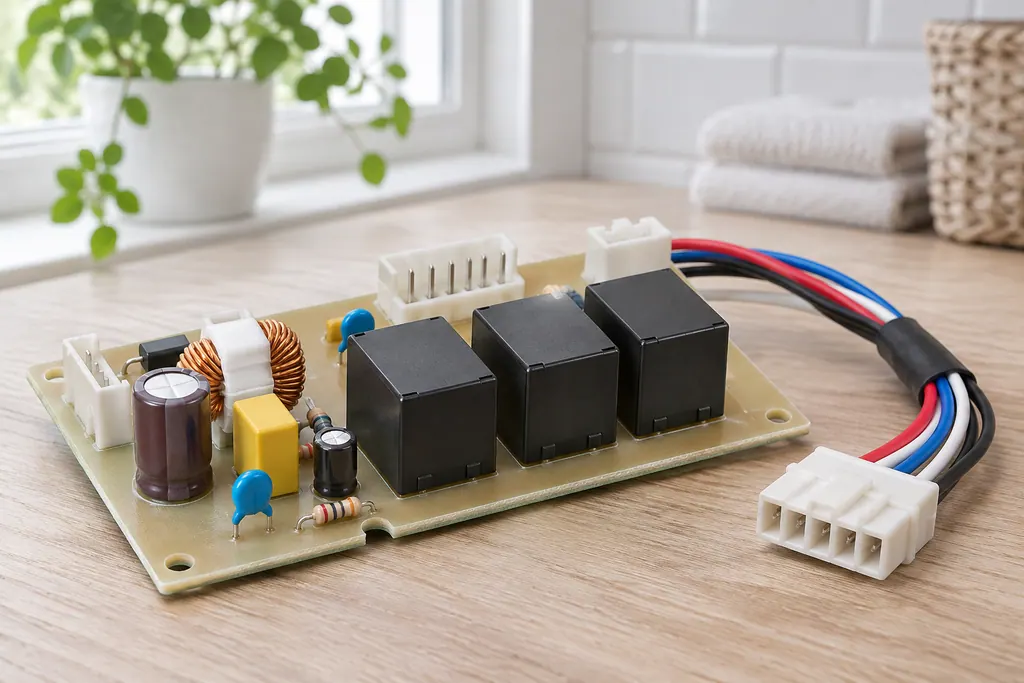
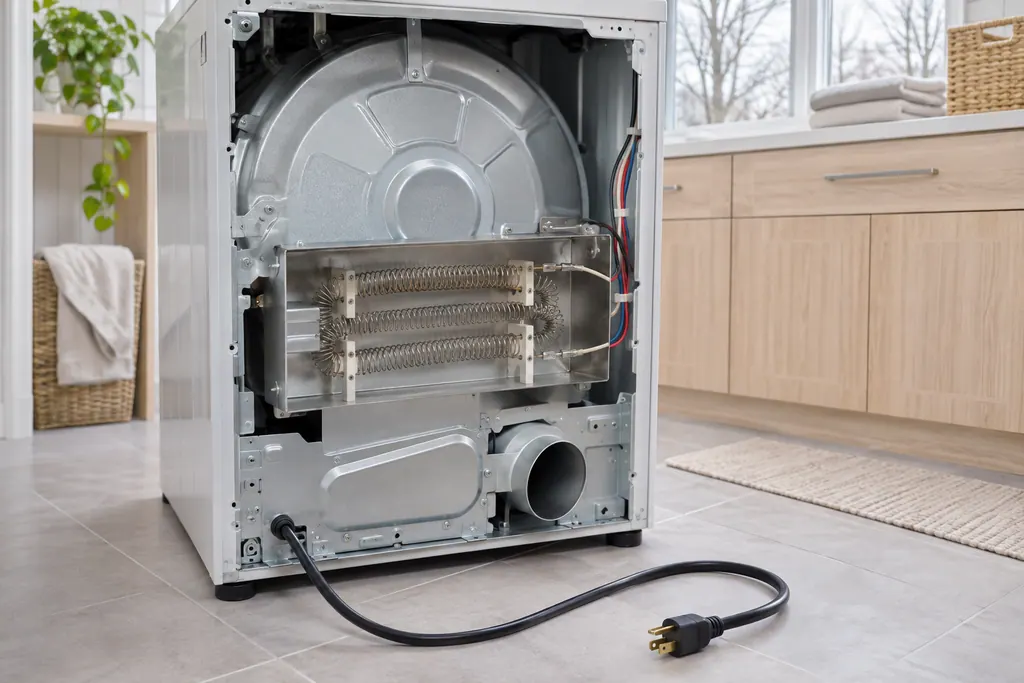
Dryer heater relay
A heater relay is the switch that sends power to the dryer’s heating element. Electrolux’s dryer sheet ties E61 to it: the relay stuck open or closed, or the wiring around it defective. A technician tests it with the cycle stopped.
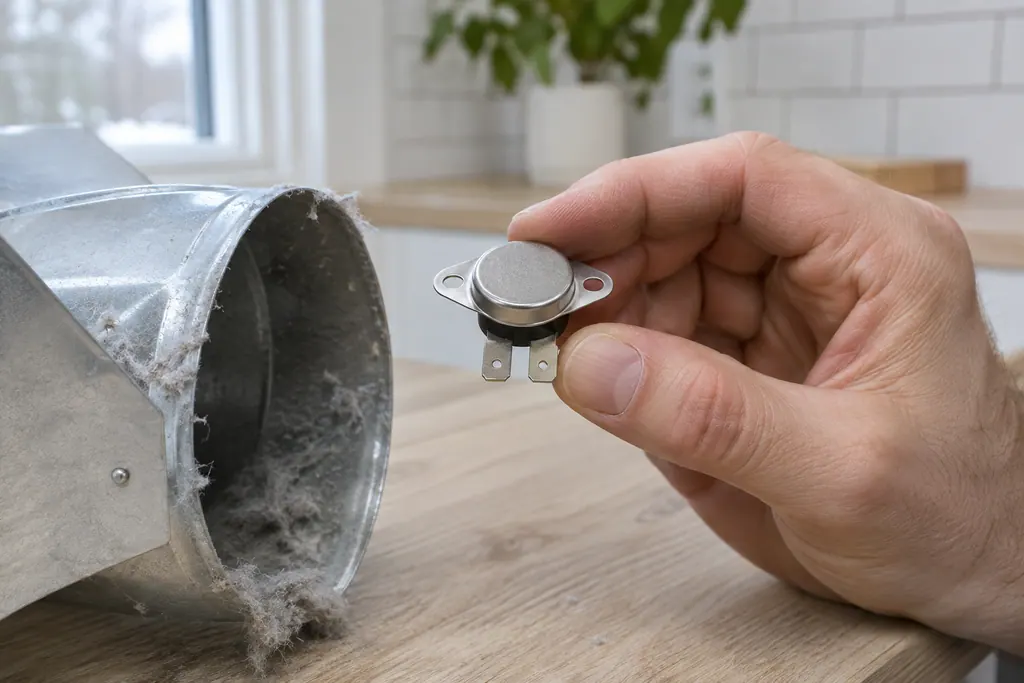
Dryer thermal limiter
The thermal limiter is a temperature safety part in the dryer’s heated air path. When it opens, the circuit stops. Electrolux’s dryer sheet names the outlet limiter (plus an inlet limiter on gas models) behind E66, and an inlet limiter on electric models behind E65.
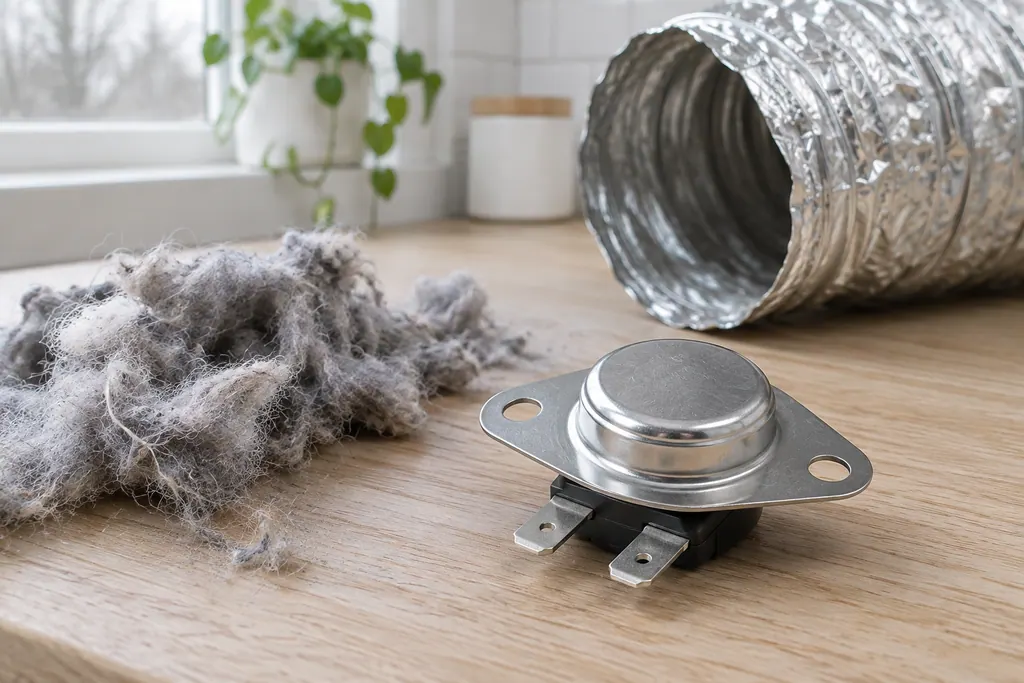
Dryer high-limit thermostat
The high-limit thermostat is a second temperature guard inside the dryer. Code E65 means the control has counted too many of its trips. Electrolux’s sheet blames a high vent restriction first, then the thermostat itself, then the inlet limiter on electric models.
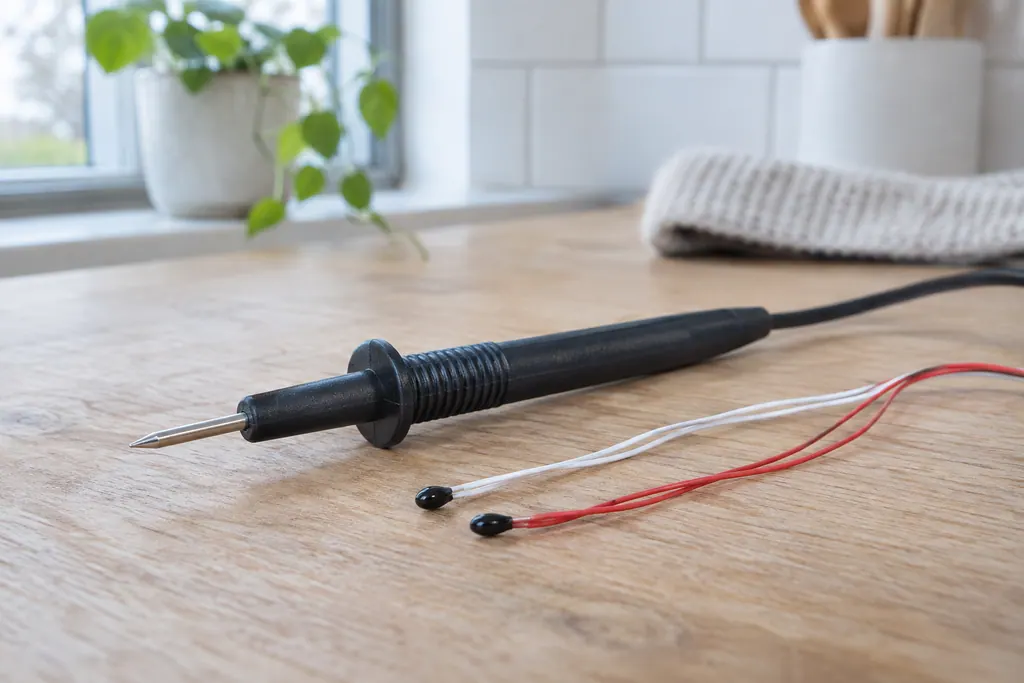
Dryer control thermistor
Control thermistors are the temperature sensors that tell the dryer how hot the air is. Electrolux’s sheet names an outlet, an inlet and an exhaust thermistor. E71 to E74 mean an open or shorted sensor circuit, and EF1 and EF3 list them among the causes.
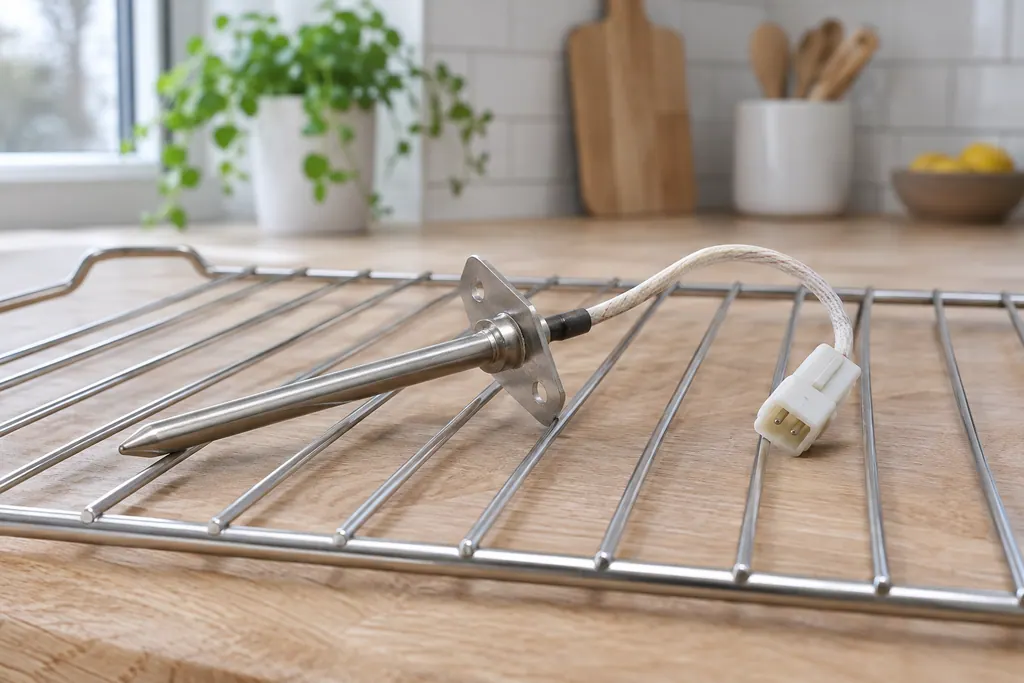
Oven RTD temperature sensor
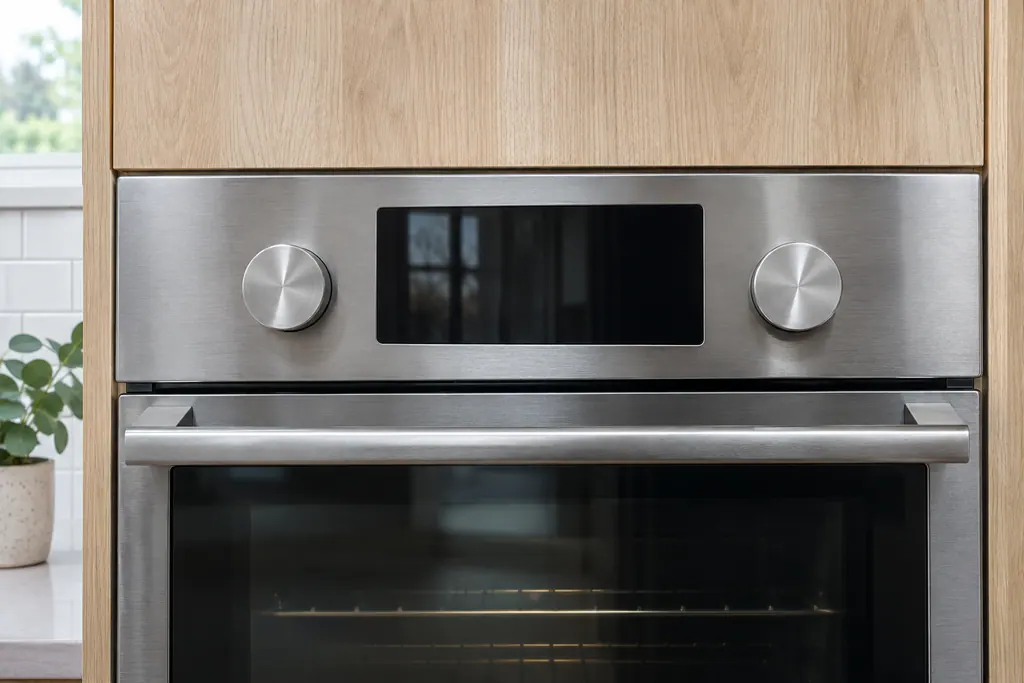
The RTD is the oven’s temperature probe: a resistance temperature detector that tells the control how hot the cavity is. F30 means the probe circuit reads open and F31 that it reads shorted. On ES630 controls, F10 can also first appear when the probe misreads.
Doors and locks.
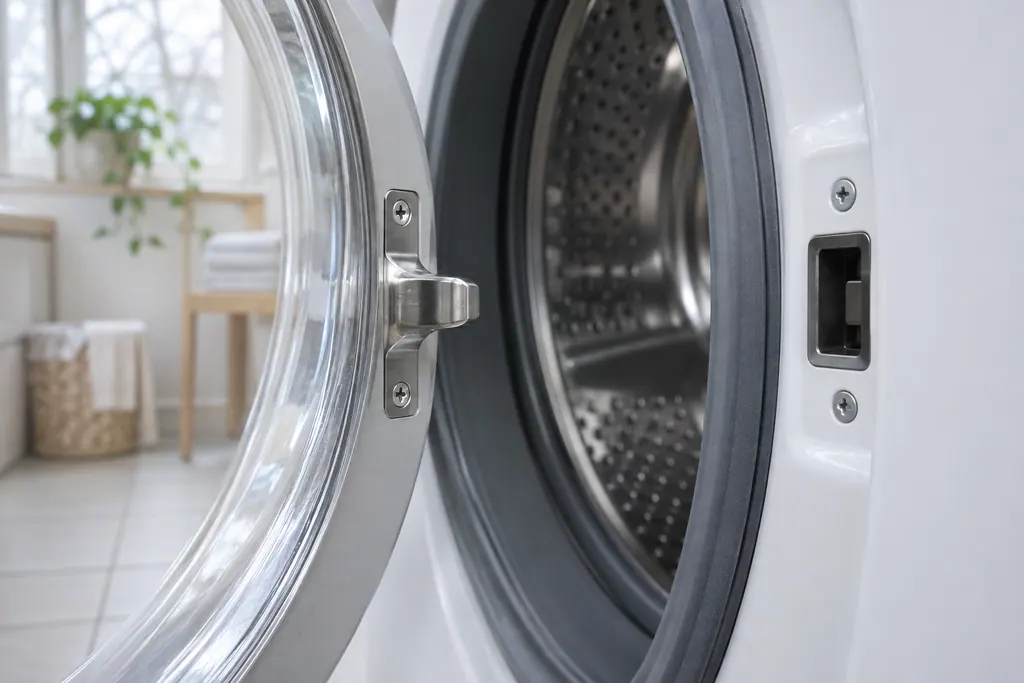
Washer door lock
The door lock keeps the washer closed during a cycle and tells the control the door is shut. Electrolux’s sheet lists five door codes. E41 means the board thinks the door switch is open; E42 and E43 are about the lock itself; E44 and E45 about sensing.
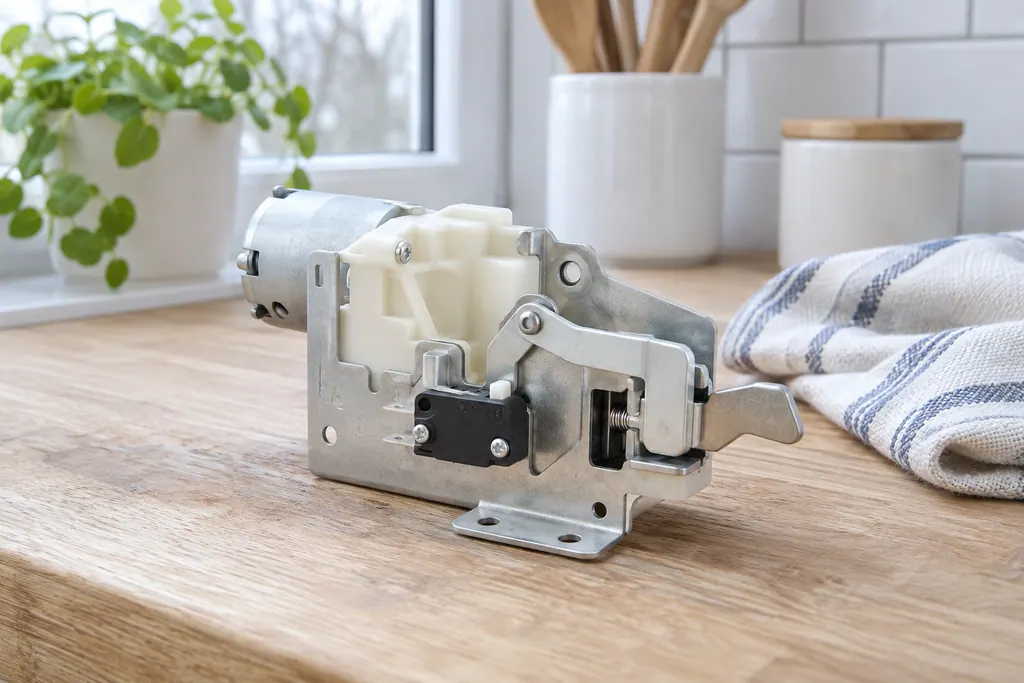
Oven door lock motor
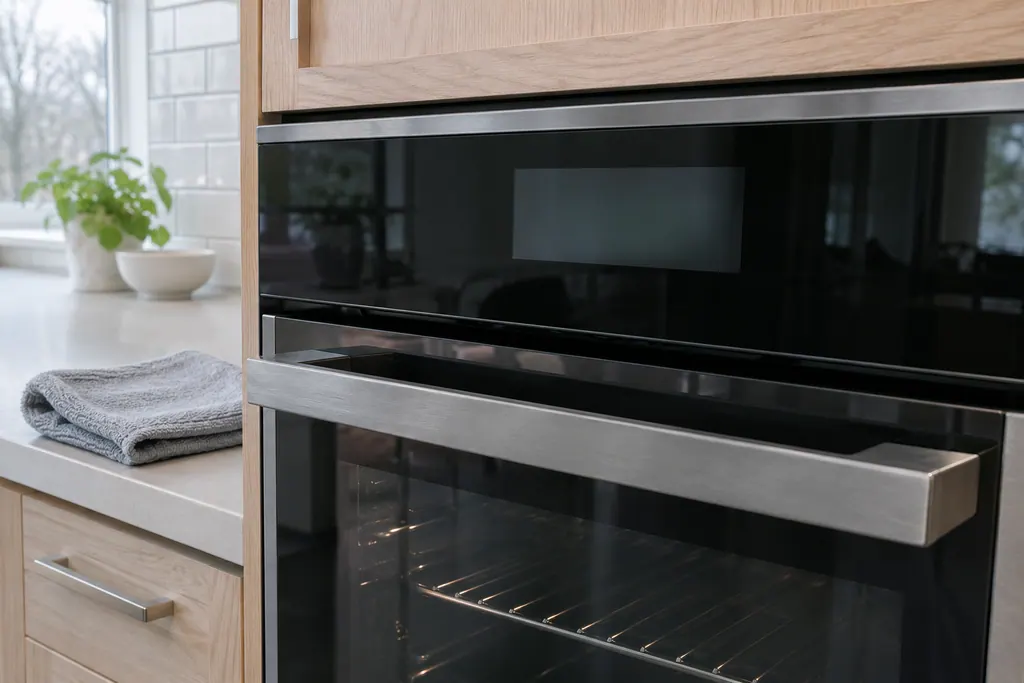
The door lock motor turns the latch that holds the oven door shut during self-clean. Electrolux’s sheets use F90 for a failure of that mechanism, and the modular sheet adds F95 and F97. The owner guide groups F90 to F94 as a door lock issue.
Sensors, fans and controls.
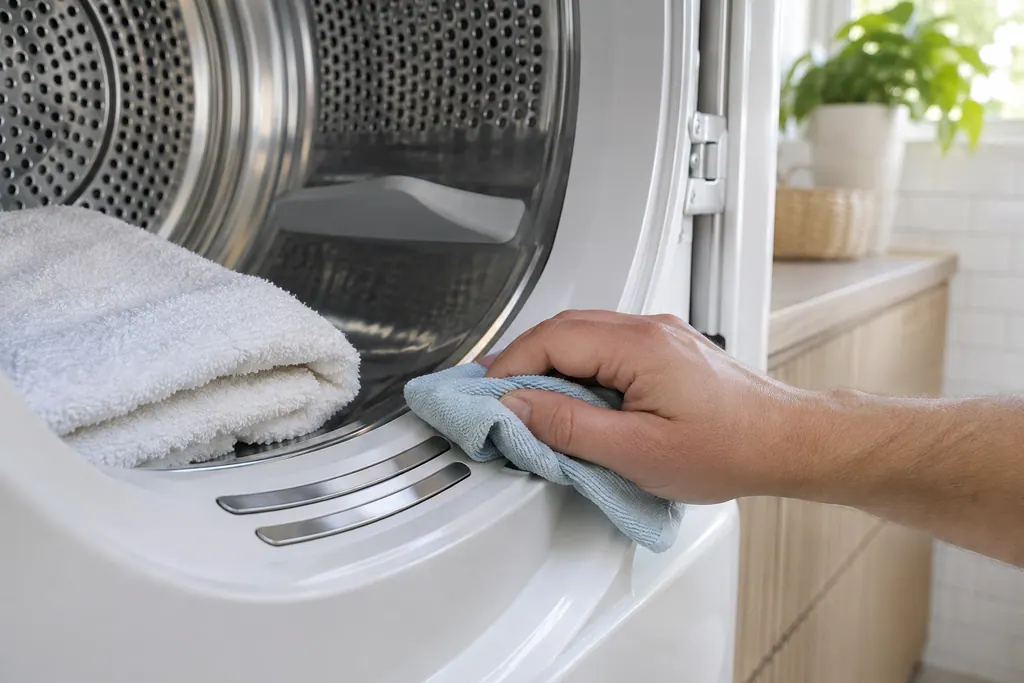
Dryer contact sensor
The contact sensor reads how damp the load is. Electrolux’s dryer sheet labels its test row “MOIST. BARS” and ties E31 and E32 to a frequency reading that is too high or too low. A foreign object touching the sensor is one listed cause.
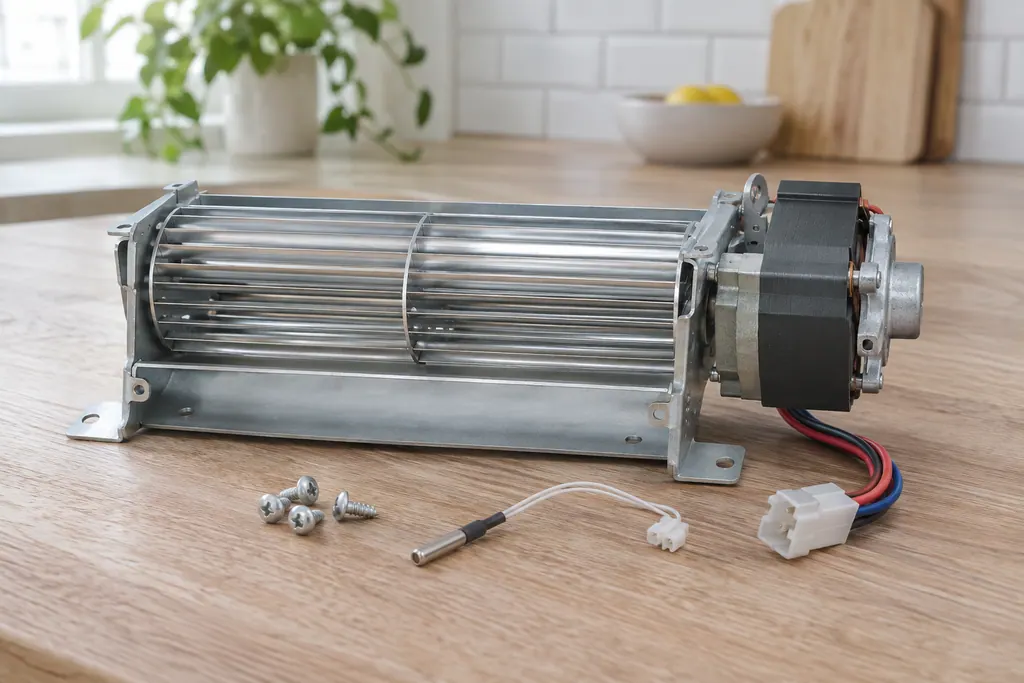
Oven cooling fan
The cooling fan keeps the oven’s outer cabinet from overheating. The ES630 sheet reads its speed through a tachometer: F43 means too slow and F44 too fast. The 2017 modular sheet uses F45 for too low and F46 for too high.
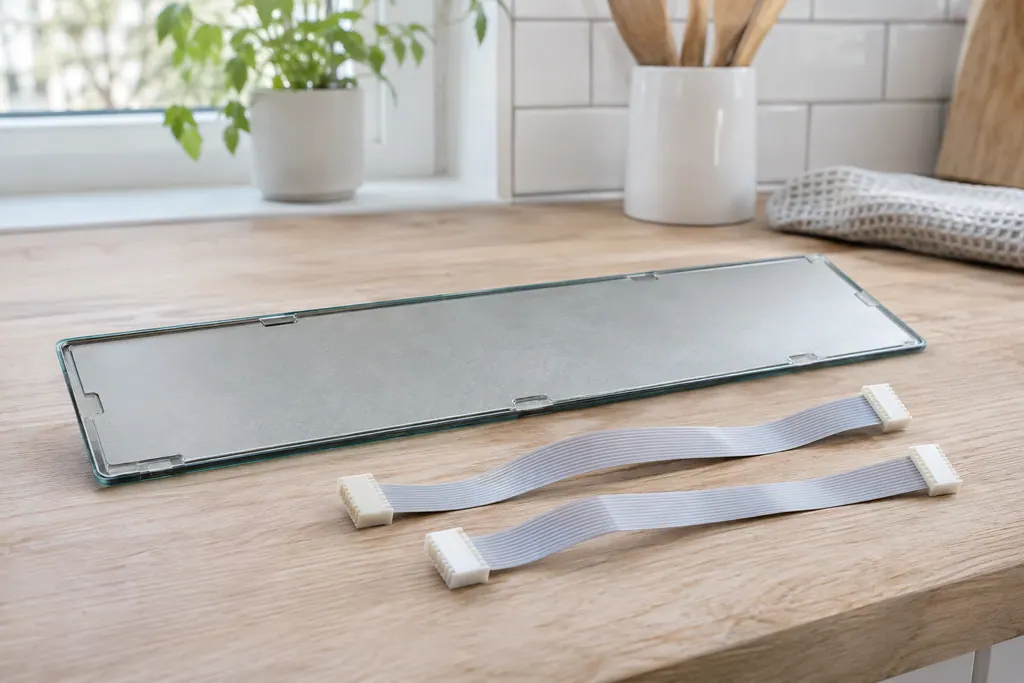
Oven touch panel cable
The touch panel is joined to the display board by two ribbon cables. Electrolux’s ES630 sheet uses F14 for a misconnected keyboard cable there. The 2017 modular sheets print no F14 and use F01 to F05, F28 and F29 for touch panel problems.
Which part, which problem, which code.
Every part is tied to the problems it may cause and the codes that name it.
Refrigerator
Freezer
Range
Wine-cooler
Beverage-center
Dishwasher
 Dishwasher drain hosedishwasherShows up as
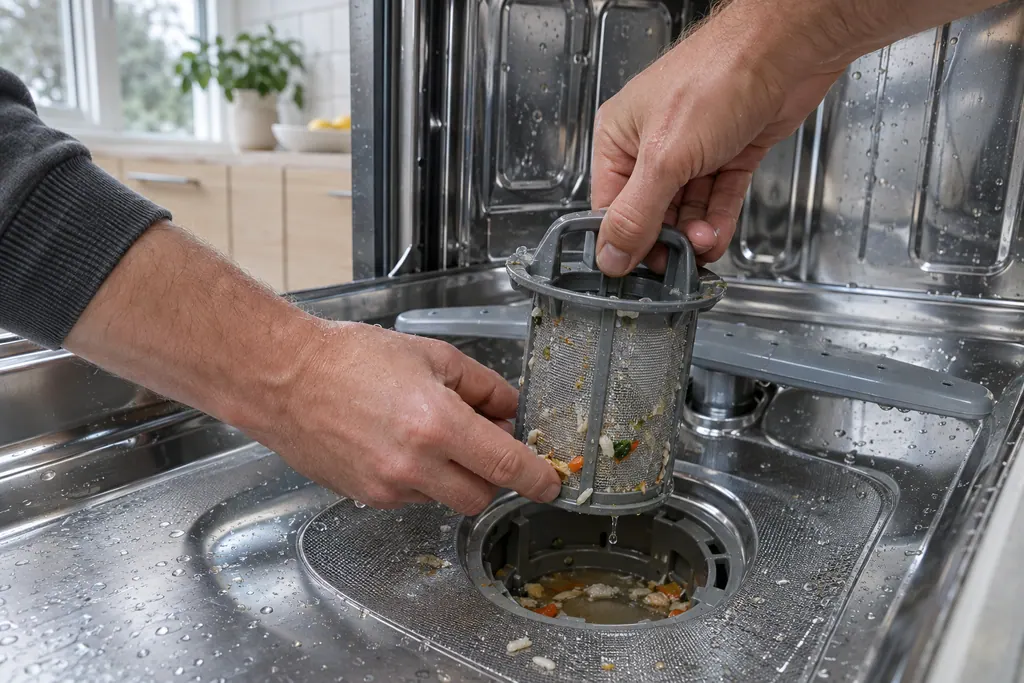 Glass trap and filterdishwasherShows up as
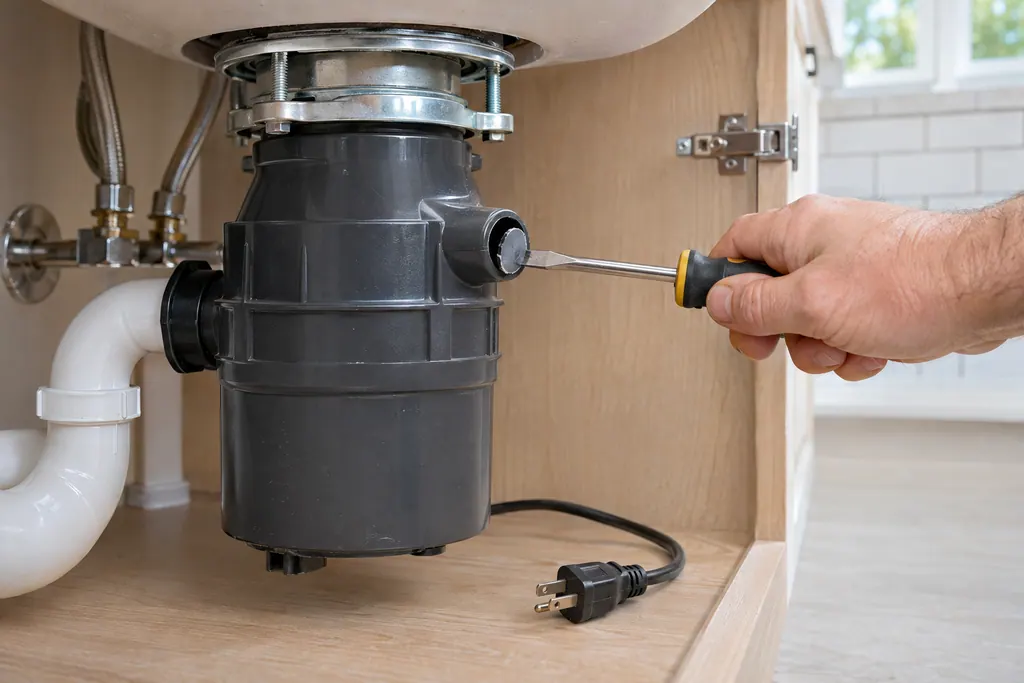 Disposer knockout plugdishwasherShows up as
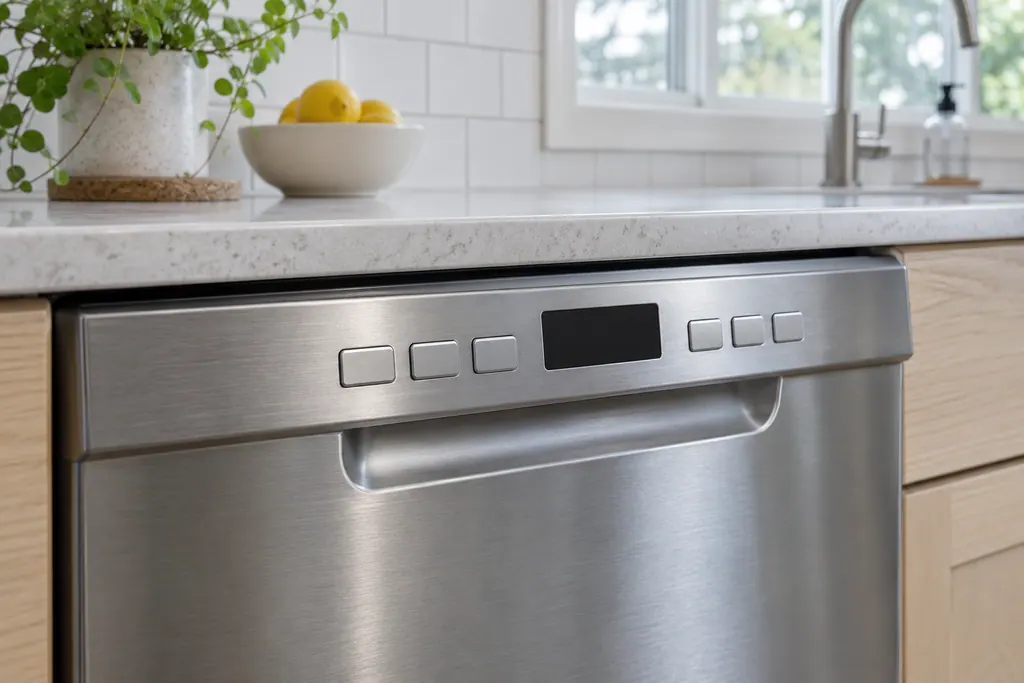 Dishwasher control panel and Cancel buttondishwasherShows up as
Washer
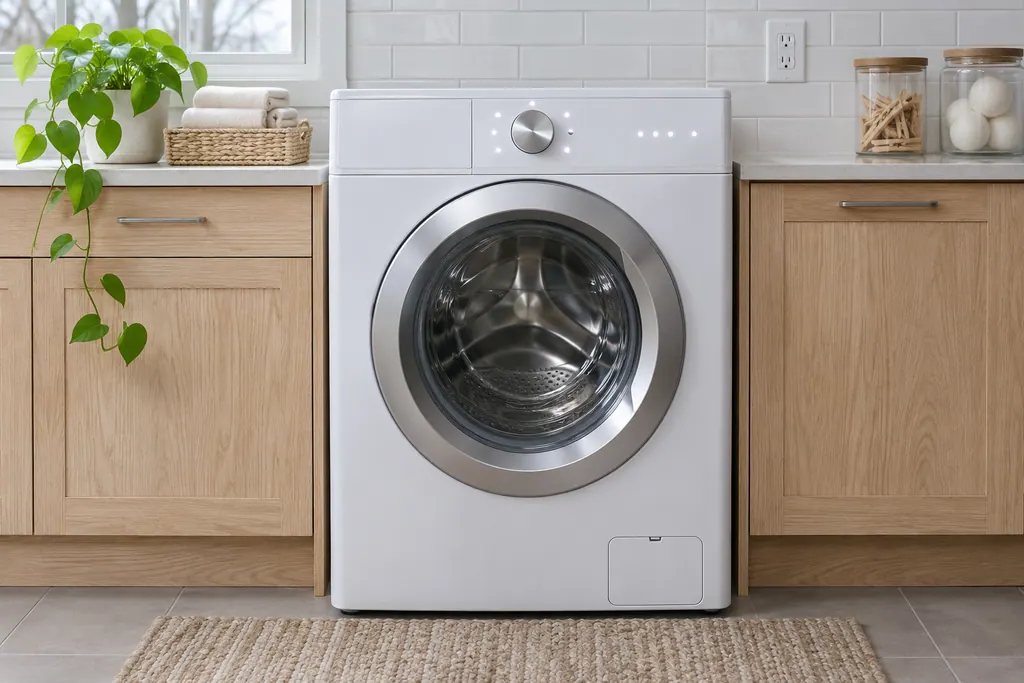
Dryer
Oven

What does the glossary contain?
Short entries for the parts that Electrolux documents name, such as a door lock, a drain pump or a pressure sensor. Each says what the part is for. None is a repair procedure.
Does an entry show that my part is bad?
No. Learning what a pressure sensor does tells you nothing about the one in your washer. The entries help you follow a code page or a technician's explanation.
Can I order a part after matching a picture?
We would hold off. Parts that look the same can differ by model and year, so a technician confirms the match to your unit before anything is ordered.
Where do the links in an entry lead?
To a page where the part turns up in a concrete situation, such as a code explanation, so you can see where it sits in the machine.
Codes, symptoms, parts and service
Link the message to what to do next.
Electrolux washer not spinning
A washer that will not spin is most often reacting to an unbalanced or heavy load, a machine that is out of level, or a door that is not locked. Electrolux's sheet ties the motor-speed codes E55 and E59 to the motor, belt, tub bearings and motor control board.
Washer repair
Book a diagnostic for your model at the appliance.
Find your metro
Office details and the access information to pass on.